Originally published in Lake of the Woods Area News, Volume 55, Number 3, Summer 2025
Climate change has brought extreme weather conditions, including prolonged periods of intense heat. Tragically, the six-day British Columbia heat wave in June 2021 resulted in the death of over 600 people. These changing climate trends make us consider what practical steps we can take to stay cool during uncomfortable heat waves.
Installing air conditioning (AC) systems in our cottages may not be in the cards for many people. However, if it is, consider choosing an AC option that minimizes energy consumption. Look for ENERGY STAR-certified systems. Use a programmable thermostat so your AC isn’t working hard while you’re away. Make sure your AC is well-maintained, as it can leak harmful greenhouse gases. All AC systems, no matter how efficient, use energy and contribute to greenhouse gas emissions. Therefore, if you have AC, try to minimize its use. Without AC, you can still keep your cool by employing some or all of these sustainable cooling strategies:
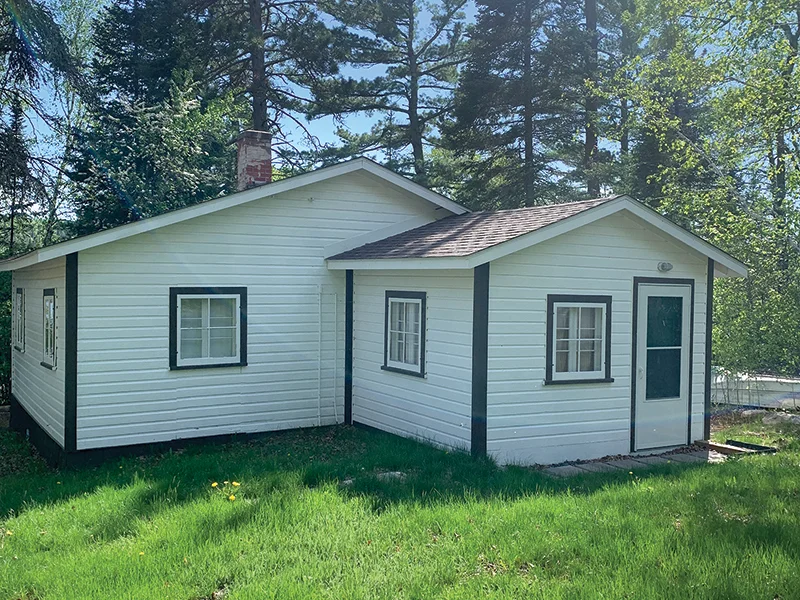
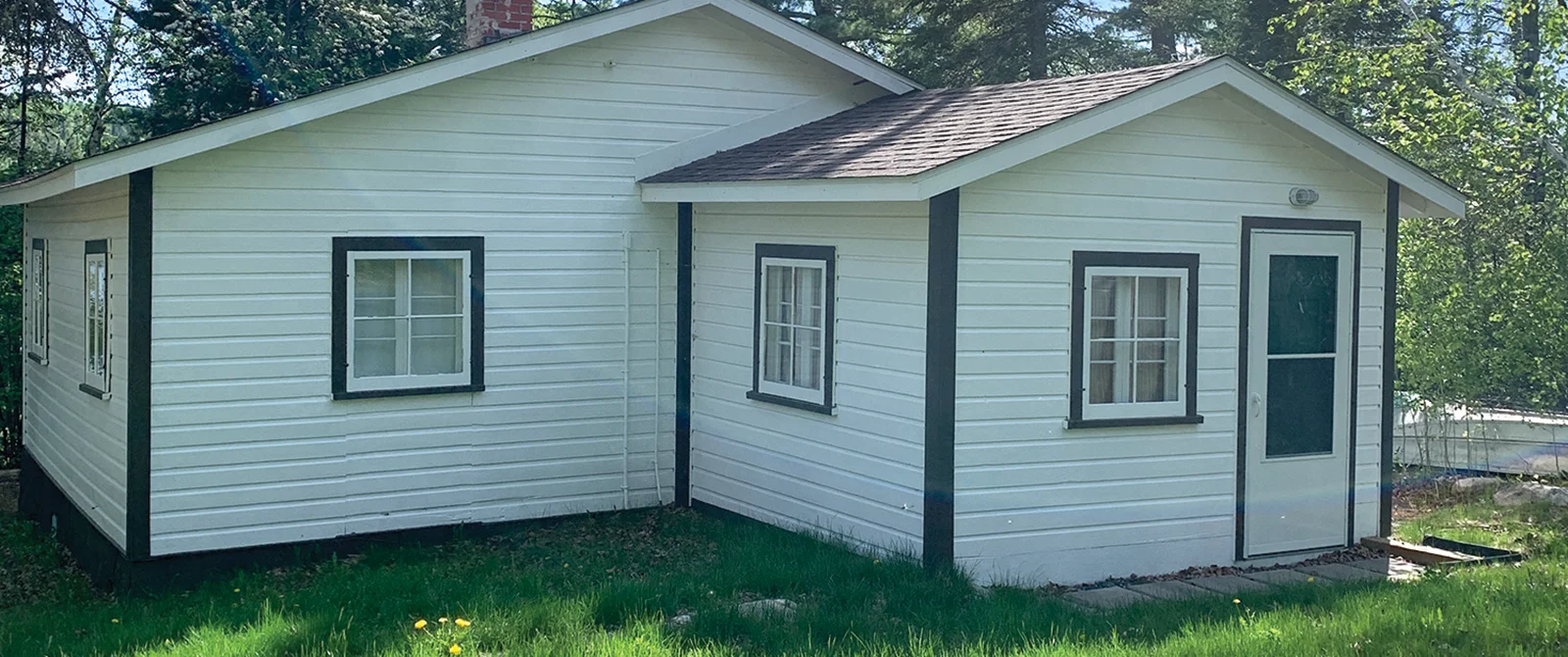
- Siding: Use light-coloured siding on the cottage to help reflect sunlight, reducing heat absorption.
- Porches and overhangs: These can help prevent or reduce sunlight from hitting your siding and windows, reducing heat transfer inside the building. They also serve as great places to get out of the heat and catch the breeze.
- Insulation: Consider insulating your cottage to minimize the heat coming through the roof, walls and floors. The bonus is that you will use less heating energy in the shoulder seasons.
- Trees: Deciduous trees are particularly helpful as they will shade your cottage in the summer, but allow sunlight through in the winter when we want the sun’s heat. Be mindful of fire hazards when considering how to best create shade.
- Windows: According to the U.S. Department of Energy, about 76 per cent of the sunlight that falls on double-pane windows enters to become heat. Newer windows have heat reflective features, such as Low-E coatings that reflect solar radiation. Double or triple-pane windows also help provide insulation. However, if upgrading your windows isn’t in your budget, several less expensive strategies can be considered. These include installing reflective window films or using sunlight-blocking curtains or blinds during the day. Also, seal any leaks around doors and windows.
- Ventilation: After keeping the heat out during the day, help cool down the cottage during cooler evenings by increasing ventilation, maximizing cross breezes through the building. Opening a smaller window to let the breeze in, and a large window to let warm air out, will increase air speed and cool down your room faster. You can use floor fans to help speed up air exchange.
- Ceiling fans: Use ceiling fans to improve air circulation. Make sure they are running counterclockwise, which will pull cooler air from the ground and blow it back down towards you. A ceiling fan can help a room feel several degrees cooler and will use about 10 per cent of the energy of central AC.
- Make a DIY AC: Put a bowl of ice or hang a wet towel in front of a fan. Attaching frozen water bottles to the back of a fan will also help cool the air.
- Reduce heat sources: A hot oven will add a lot of heat to the cottage. Instead, fire up the BBQ or use smaller appliances such as air fryers. Appliances such as dishwashers and even electronics can generate a fair amount of heat. Unplug and avoid using when possible. Replace your incandescent bulbs with LED to significantly reduce heat generation.
- Self-care: If you get overheated, change into lightweight clothing, seek shade, and stay hydrated. Rest in front of a fan and use cool wet cloths to help bring down your body temperature. When all else fails, nothing feels more refreshing than a dip in one of our beautiful lakes. If you experience symptoms such as dizziness, nausea, or confusion, it’s crucial to seek medical attention immediately, as these could be signs of heat exhaustion or heatstroke.
Tread a little more wisely by implementing some of these sustainable cooling strategies to help you keep your cool and reduce your environmental footprint.
For a deep dive on energy-efficient window coverings, visit energy.gov/energysaver/energy-efficient-window-coverings#